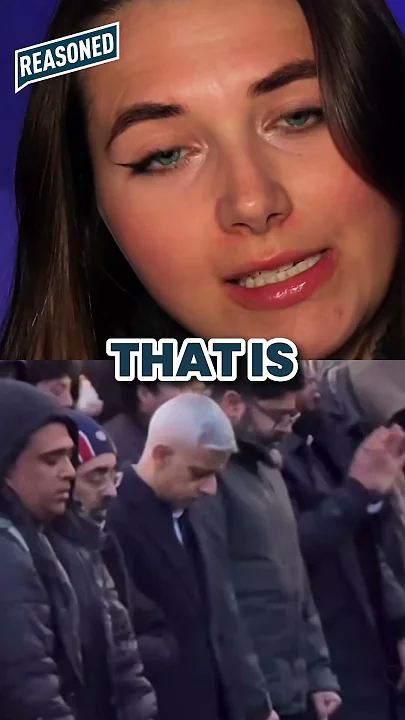
Sadiq Khan Defends Multi-Faith Trafalgar Square Iftar Prayers Amidst "Domination" Claims
London’s iconic Trafalgar Square, a vibrant hub of public life and historic demonstrations, recently became the focal point of a heated national debate surrounding religious freedom, cultural inclusion, and the definition of British values. At the heart of the controversy was an Iftar event hosted by London Mayor Sadiq Khan, where hundreds of Muslims gathered to break their Ramadan fast, culminating in public prayers. While intended as a celebration of unity and diversity, the event drew sharp criticism from some quarters, notably from Shadow Justice Secretary Nick Timothy, who controversially labelled the Muslim prayers in Trafalgar Square an "act of domination."
Mayor Khan, a vocal proponent of London's multicultural identity, swiftly and robustly defended the gathering, highlighting Trafalgar Square's long-standing tradition of hosting celebrations for various faiths and communities. This incident has ignited a broader conversation about how religious expression is perceived in public spaces and the political implications of such events in contemporary Britain.
The "Act of Domination" Allegation: Public Faith Under Scrutiny
The controversy began when Nick Timothy, a prominent Conservative figure and former Chief of Staff to Theresa May, posted a video of the Trafalgar Square Iftar prayers on social media. His accompanying statement was incendiary: "Too many are too polite to say this but mass ritual prayer in public places is an act of domination." Timothy elaborated, asserting that the Adhan, the Islamic call to prayer – which declares the oneness of God and Muhammad as His messenger – becomes a "declaration of domination" when sounded in a public forum. He argued that "these rituals" should be confined to mosques, claiming they are "not welcome in our public places and shared institutions." He further suggested that the "domination of public places is straight from the Islamist playbook," despite clarifying he wasn't labelling all participants as Islamists.
This strong condemnation immediately polarised opinion. While some, like Shadow Transport Secretary (unnamed in context, but implying other Tory colleagues) echoed support for Timothy's sentiment, others within and outside the Conservative party expressed outrage. Kemi Badenoch, the Tory leader, came to Timothy's defense, stating he was "defending British values." This statement itself added another layer to the debate: what exactly constitutes "British values" in a diverse, multi-faith society? Is public religious expression a threat to these values, or an inherent part of them? This question lies at the very core of Tory row explodes over "domination" claim on Muslim Trafalgar Square prayers, prompting a national discourse on belonging and acceptance.
Sadiq Khan's Inclusive Defence: Trafalgar Square, A Shared Space for All Faiths
Mayor Sadiq Khan's response was not just a denial, but a powerful affirmation of London's pluralistic identity. He countered Timothy's remarks by sharing a series of images on social media platform X (formerly Twitter). These weren't just pictures of the Iftar event, but juxtaposed them with photographs of Trafalgar Square bustling with crowds celebrating other major religious and cultural festivals: Christian Easter, Hindu Diwali, Sikh Vaisakhi, and Jewish Hanukkah. His message was clear and concise: "London is, and will always be, a place for everyone. #UnityOverDivision."
Khan's defence underscored a fundamental principle of modern London: its public spaces are shared arenas for expression, celebration, and community gathering for people of all backgrounds. Hosting an Iftar in such an iconic location was, from his perspective, not an act of exclusivity or domination, but an act of inclusion – an invitation for Londoners of all faiths and none to witness and partake in a significant cultural moment. The event itself, as described in the reference, saw Khan praying alongside others and delivering a speech that celebrated the presence of Jewish, Christian, Hindu, and atheist individuals joining the fast-breaking meal. This intentional inclusivity directly challenged the notion of "domination" by showcasing genuine interfaith participation.
Political Fallout and the Broader Implications for British Society
The fallout from Timothy's comments extended beyond the immediate exchange with Khan, sparking a significant political row. Labour leader Sir Keir Starmer minced no words, labelling Timothy's remarks as "utterly appalling" during Prime Minister's Questions. Starmer went further, demanding that Kemi Badenoch denounce Timothy's words and sack him from his shadow cabinet role, stating he had "never heard the Conservatives call out anything other than Muslim events," leading him to conclude "the Tory party has got a problem with Muslims." The Prime Minister himself echoed Starmer's sentiment, describing Timothy's comments as "utterly appalling" and urging Badenoch to take action.
The debate wasn't confined to party lines. Former Conservative Attorney General Dominic Grieve expressed bewilderment at Timothy's stance, questioning how a spokesperson for the Free Speech Union could advocate for what seemed like discriminatory legislation against Muslims. Deputy Prime Minister David Lammy urged Timothy to "stop fanning the flames of division," echoing Khan's point about Trafalgar Square hosting diverse religious festivals. Lucy Powell, Deputy Leader of the Labour Party, called it an "extreme reaction," arguing that people of all religions working together represents the "real Britain." This intense public scrutiny highlights the sensitivity of religious identity in public life and the ongoing challenge of defining British values vs. 'Domination': The Trafalgar Square prayer debate in a society striving for both integration and freedom of expression.
Navigating Religious Expression in Public Spaces: A Deeper Look
The Trafalgar Square Iftar controversy offers a vital opportunity to reflect on the complexities of religious expression in shared public spaces. It's a delicate balance between fundamental freedoms and the perceptions of a diverse populace. For many, witnessing muslim prayers trafalgar was a powerful symbol of acceptance and belonging in their own city. For others, particularly those unfamiliar with Islamic practices, the sight of mass prayer might have felt unfamiliar, perhaps even unsettling, especially when framed by negative rhetoric.
Here are some insights and considerations for navigating such events:
- Understanding Context: Public religious events are often more than just worship; they are cultural celebrations, community gatherings, and acts of witness. The Iftar in Trafalgar Square, for instance, involved breaking fast and communal feasting, activities that naturally invite broader participation and observation beyond just prayer.
- Historical Precedent: As Sadiq Khan highlighted, many public spaces in the UK, including Trafalgar Square, have a long history of hosting diverse gatherings, from political protests to cultural festivals and religious commemorations. This precedent is crucial in framing discussions about appropriate use.
- Intent vs. Perception: While the organisers' intent might be inclusion and celebration, public perception can be influenced by various factors, including political rhetoric, media framing, and individual biases. Open dialogue and transparent communication about the nature and purpose of such events can help bridge gaps.
- Fostering Inter-Faith Dialogue: Events like the Trafalgar Square Iftar, when managed inclusively, can be powerful platforms for inter-faith dialogue and mutual understanding. Inviting leaders and members of other faiths, as Khan did, can transform a religious event into a shared community experience.
- Practical Considerations: For organisers of any public gathering, key considerations include public safety, access, and minimal disruption. Clear communication with local authorities and communities is essential.
In a pluralistic society, the challenge lies not in suppressing religious expression but in finding ways for it to coexist respectfully and harmoniously within the shared public sphere. Public spaces, by their very nature, are arenas for diverse forms of expression, and this includes religious practices.
Conclusion
The debate ignited by the Trafalgar Square Iftar prayers underscores a significant and ongoing national conversation about identity, community, and the place of faith in contemporary Britain. Sadiq Khan's staunch defence of the event as a symbol of London's diversity stands in stark contrast to the accusations of "domination" levelled against it. While political figures grapple with differing interpretations of "British values," the episode serves as a powerful reminder of the importance of dialogue, understanding, and respect in fostering a truly inclusive society. Ultimately, the question remains: Can public spaces truly be for everyone, allowing for diverse expressions of faith and culture, or must certain forms of religious practice be confined, risking the marginalisation of communities within their own shared homeland?